

Shop by Gemstone
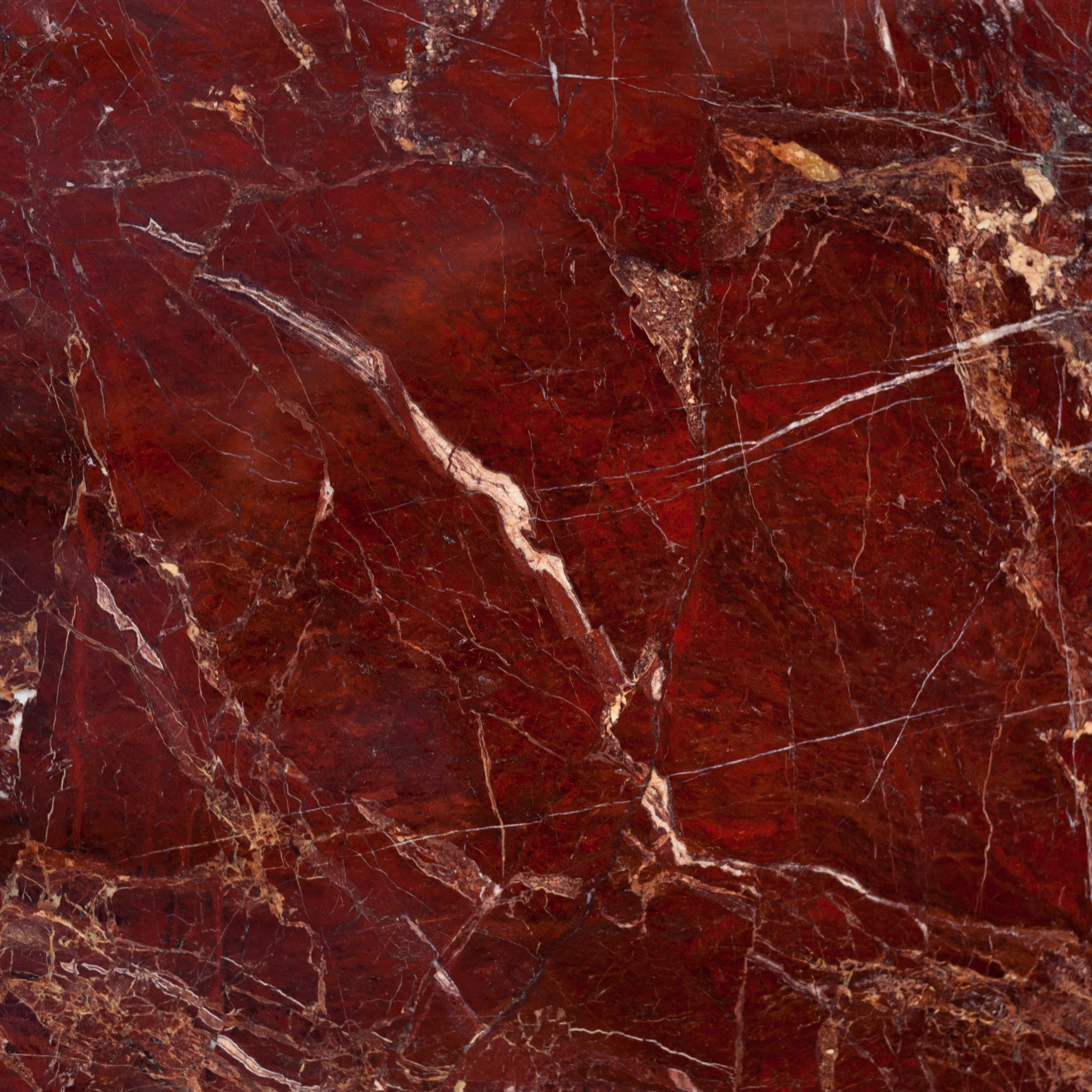
Red Lace Agate
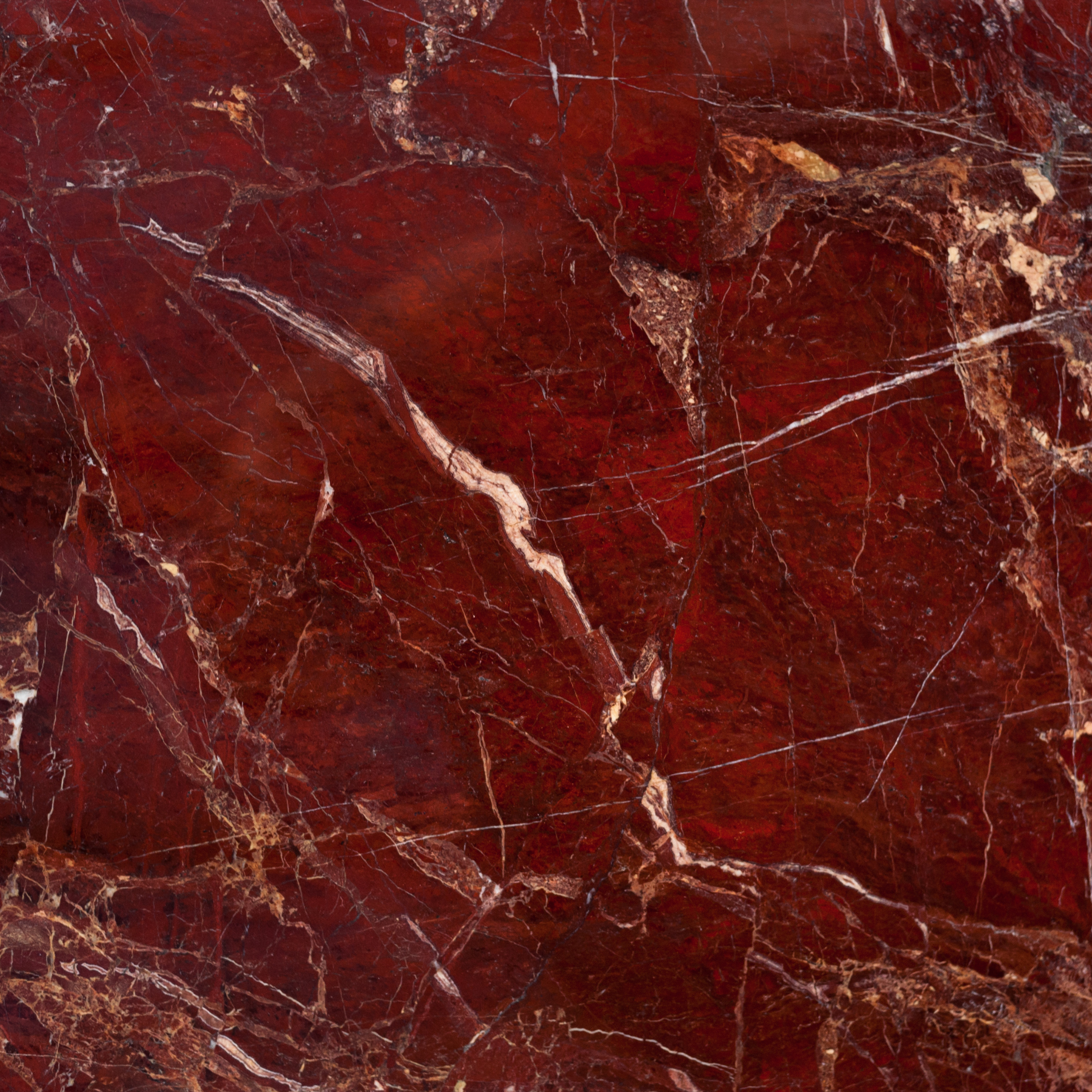
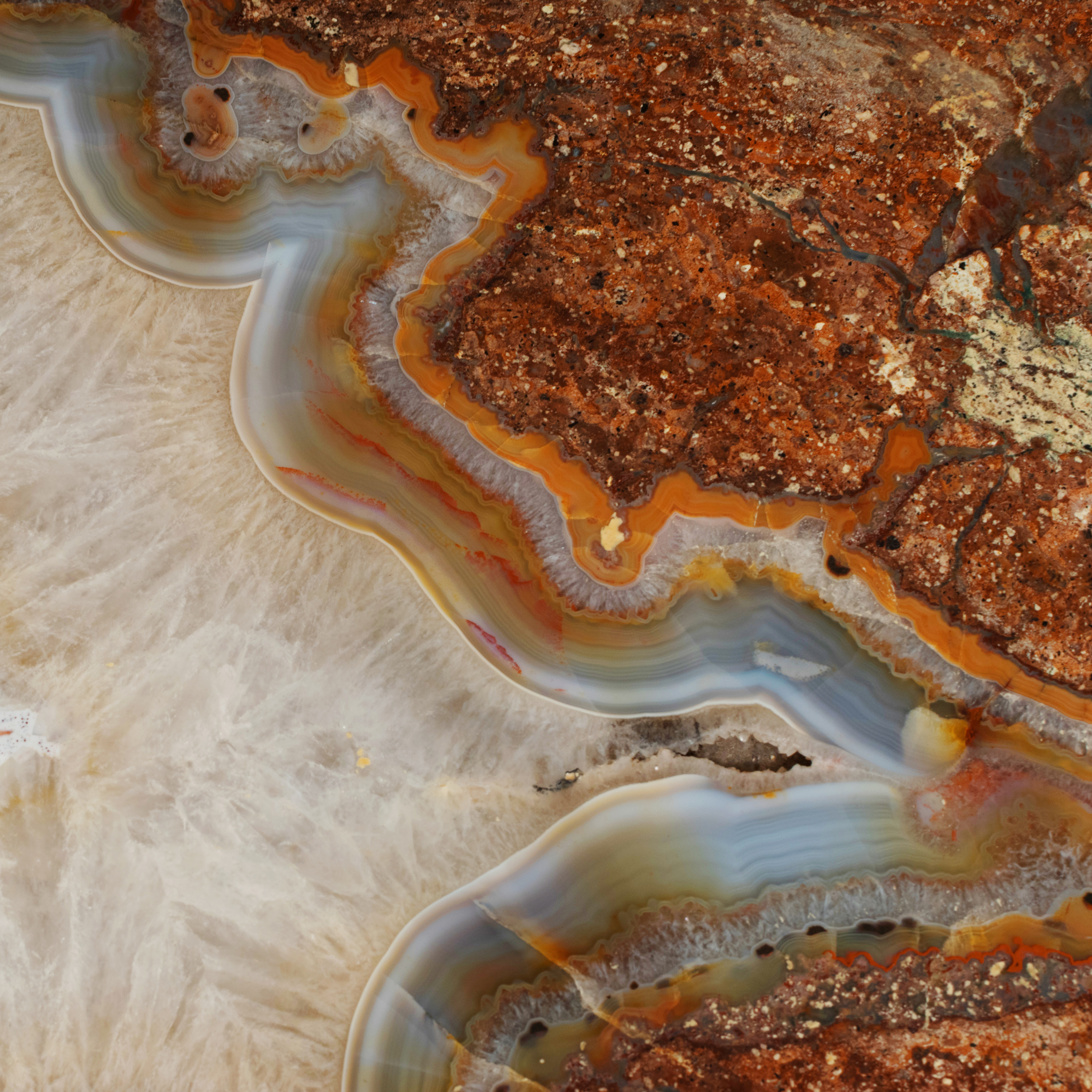
Warm brick and rust tones with soft lacy banding and a matte, earthy finish. Agate's warm red color comes from natural iron in the stone. Lace agates are found mainly in Mexico, and red agate is also found in Brazil, India and Morocco.
Red agate goes back thousands of years: the ancient Babylonians used it for seals and amulets. It's traditionally associated with courage, strength and confidence.
Crazy Lace Agate
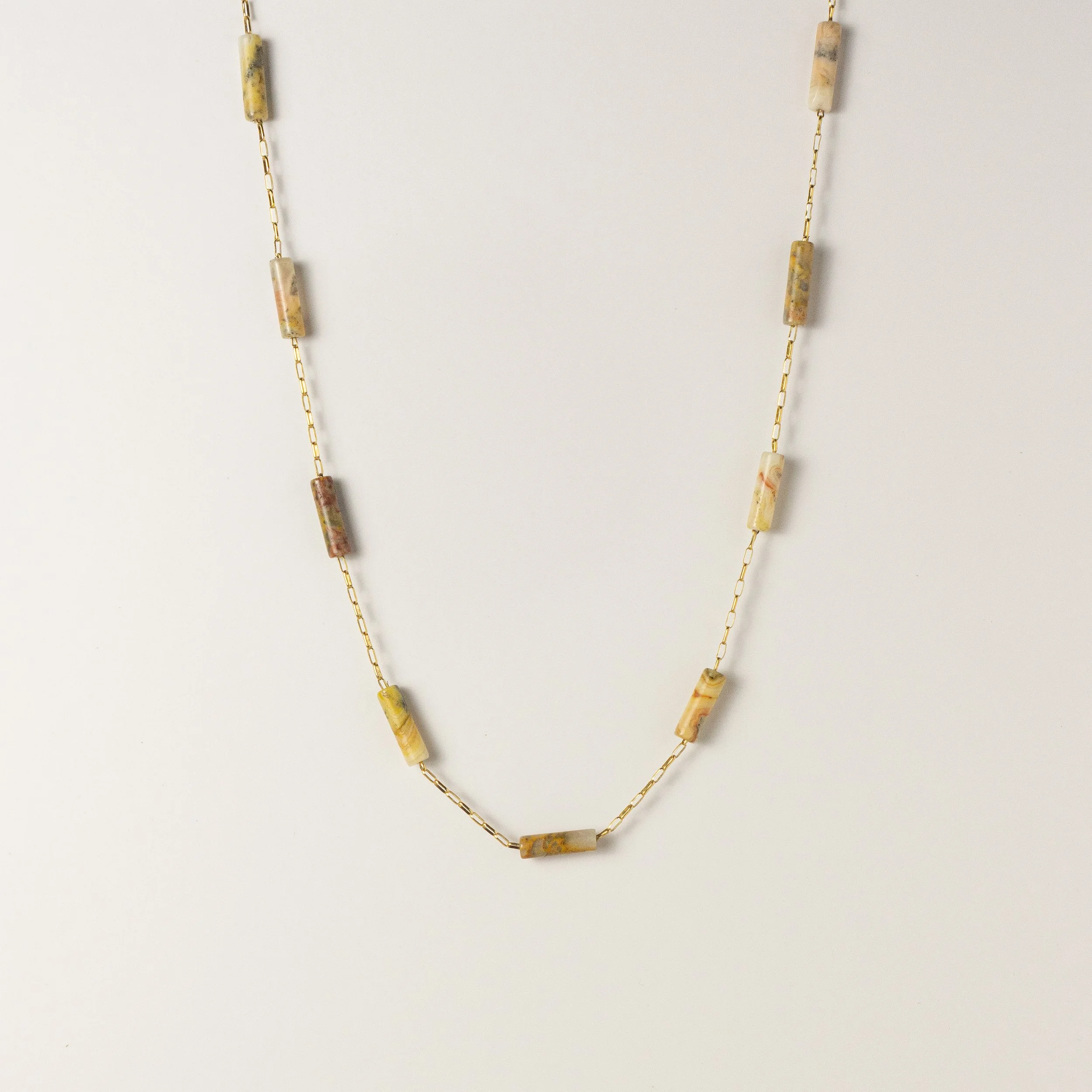
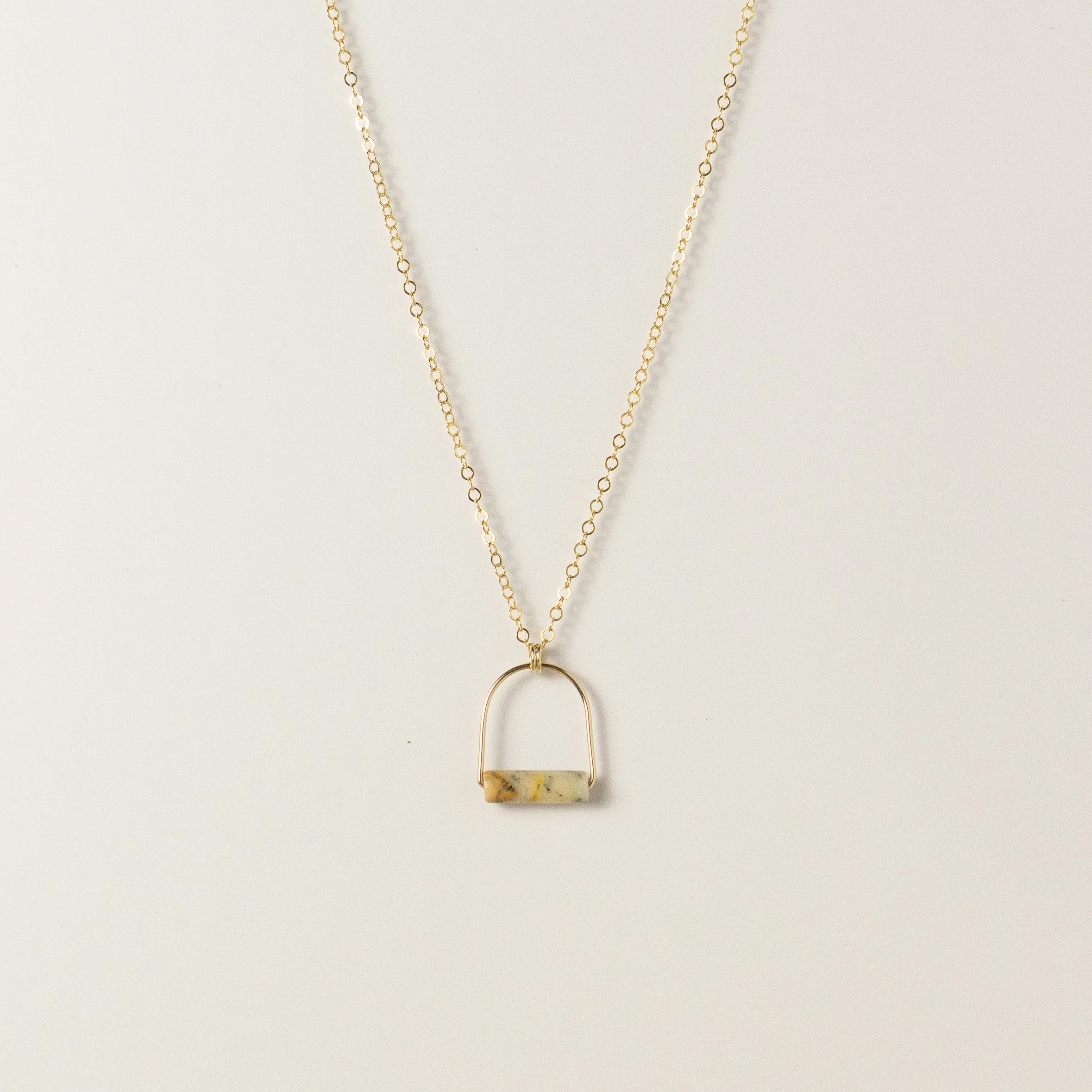
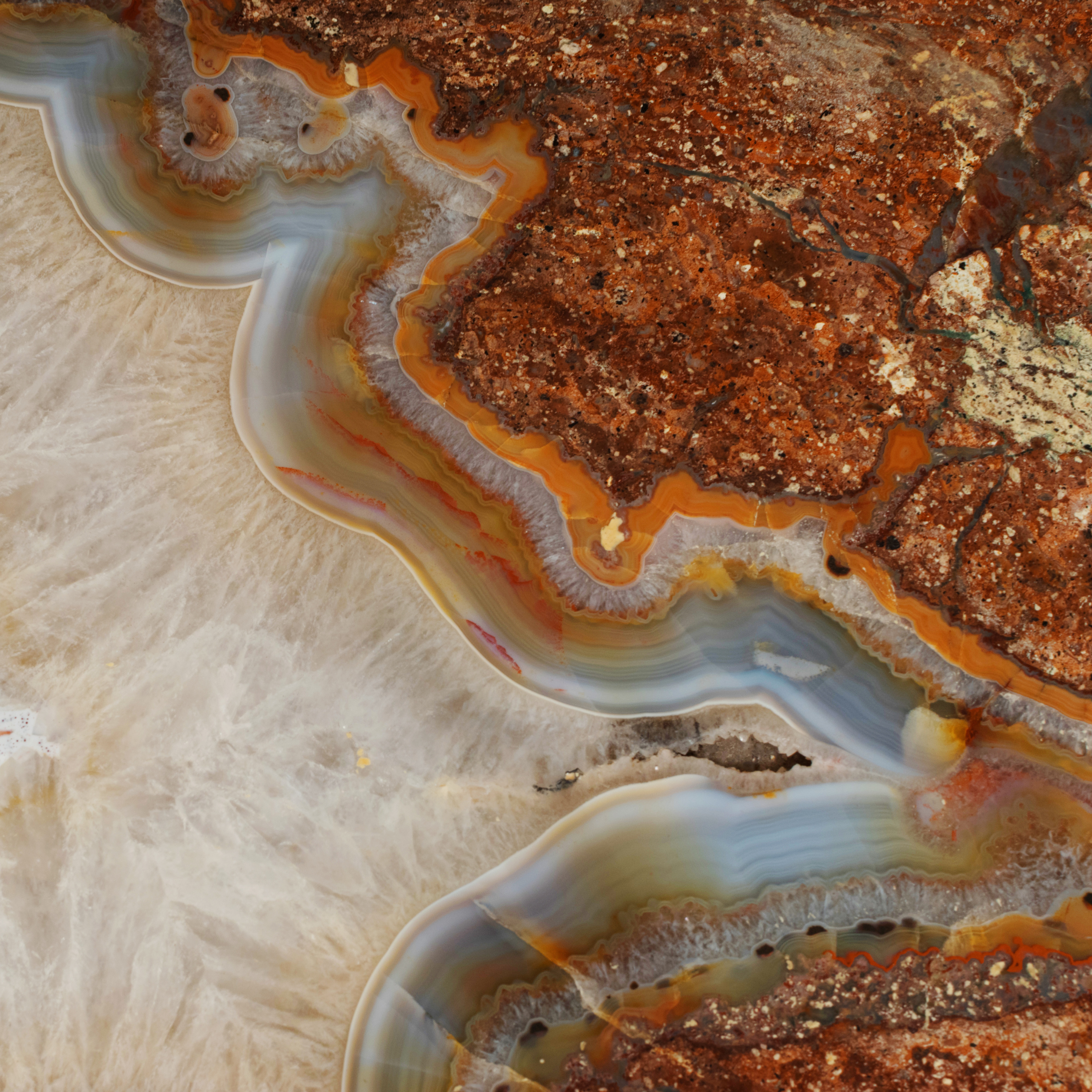
Swirls of sand, cream, rust and gray twist through each stone like a desert landscape. Crazy lace agate is a banded agate found almost only in the state of Chihuahua in northern Mexico, which is why it's also called Mexican lace agate.
Its nickname is the "laughter stone," and it's associated with joy, optimism and not taking life too seriously. No two pieces have the same pattern.
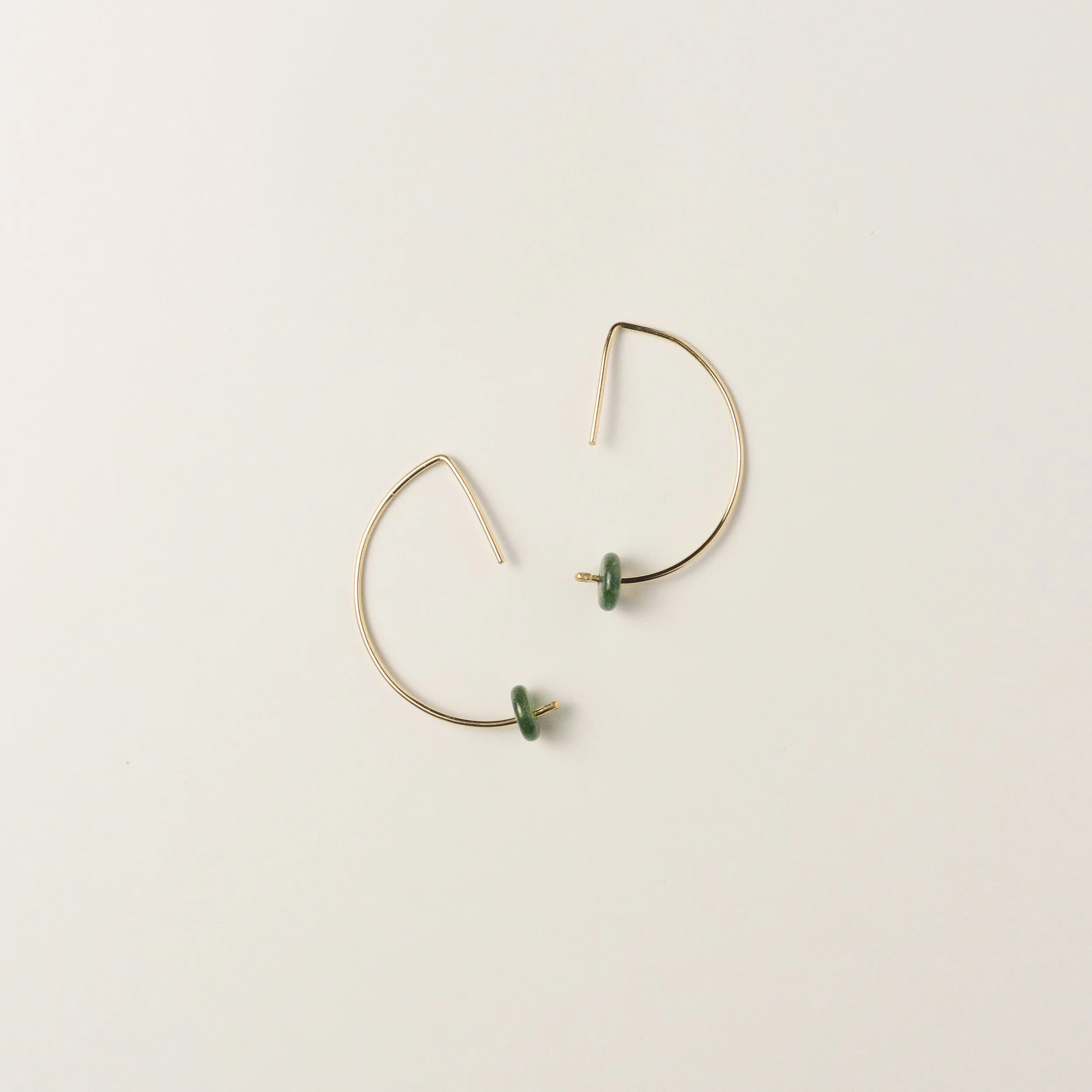
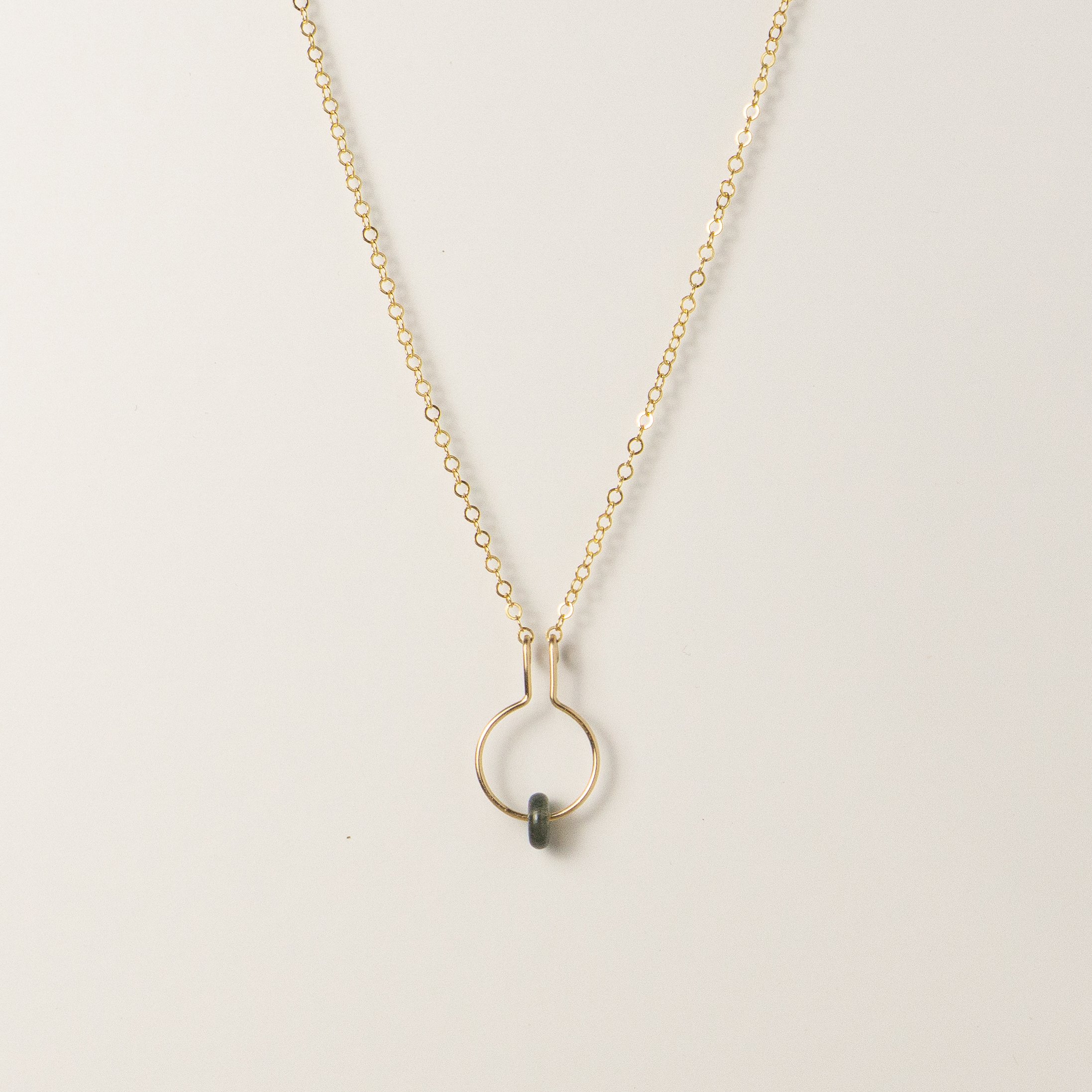
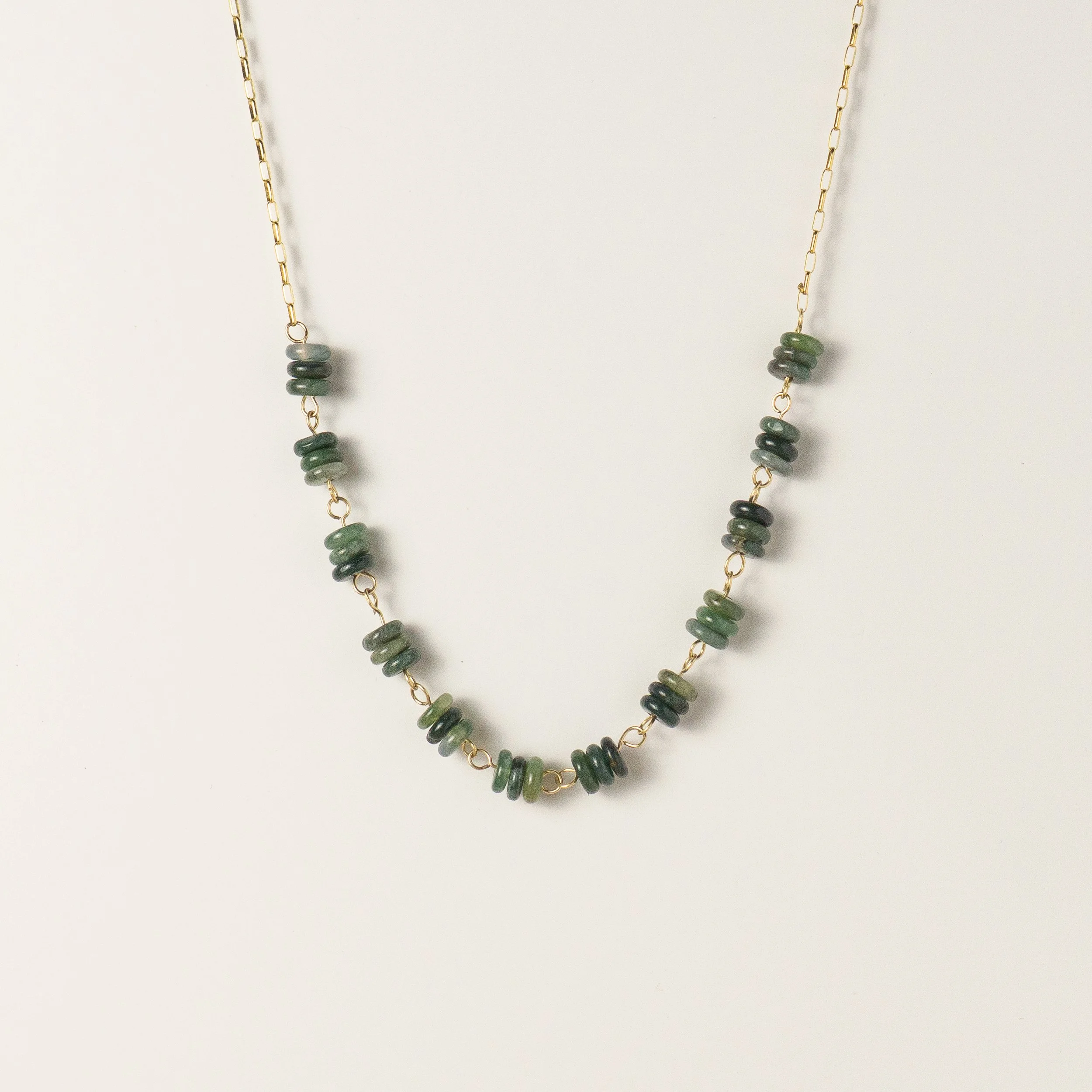
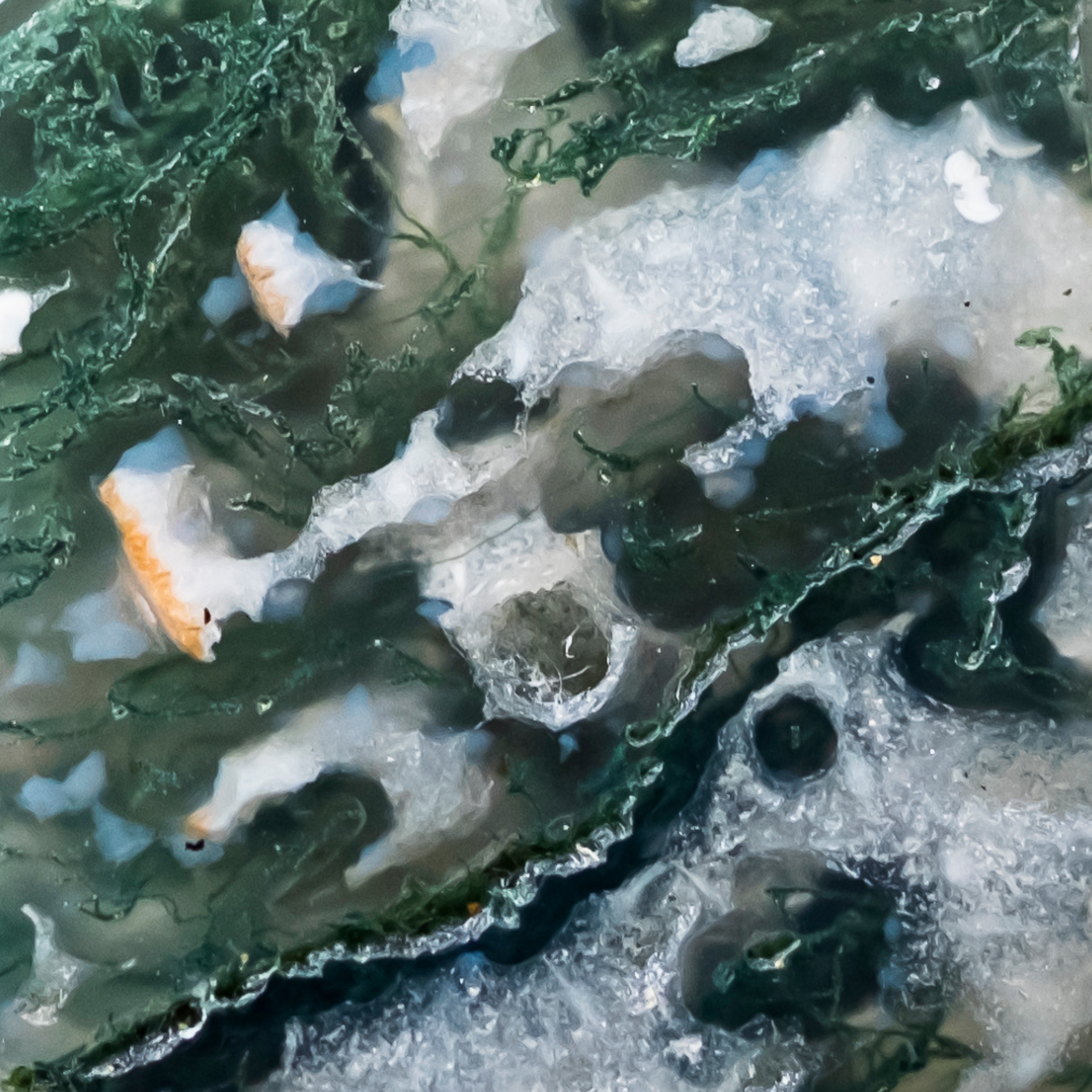
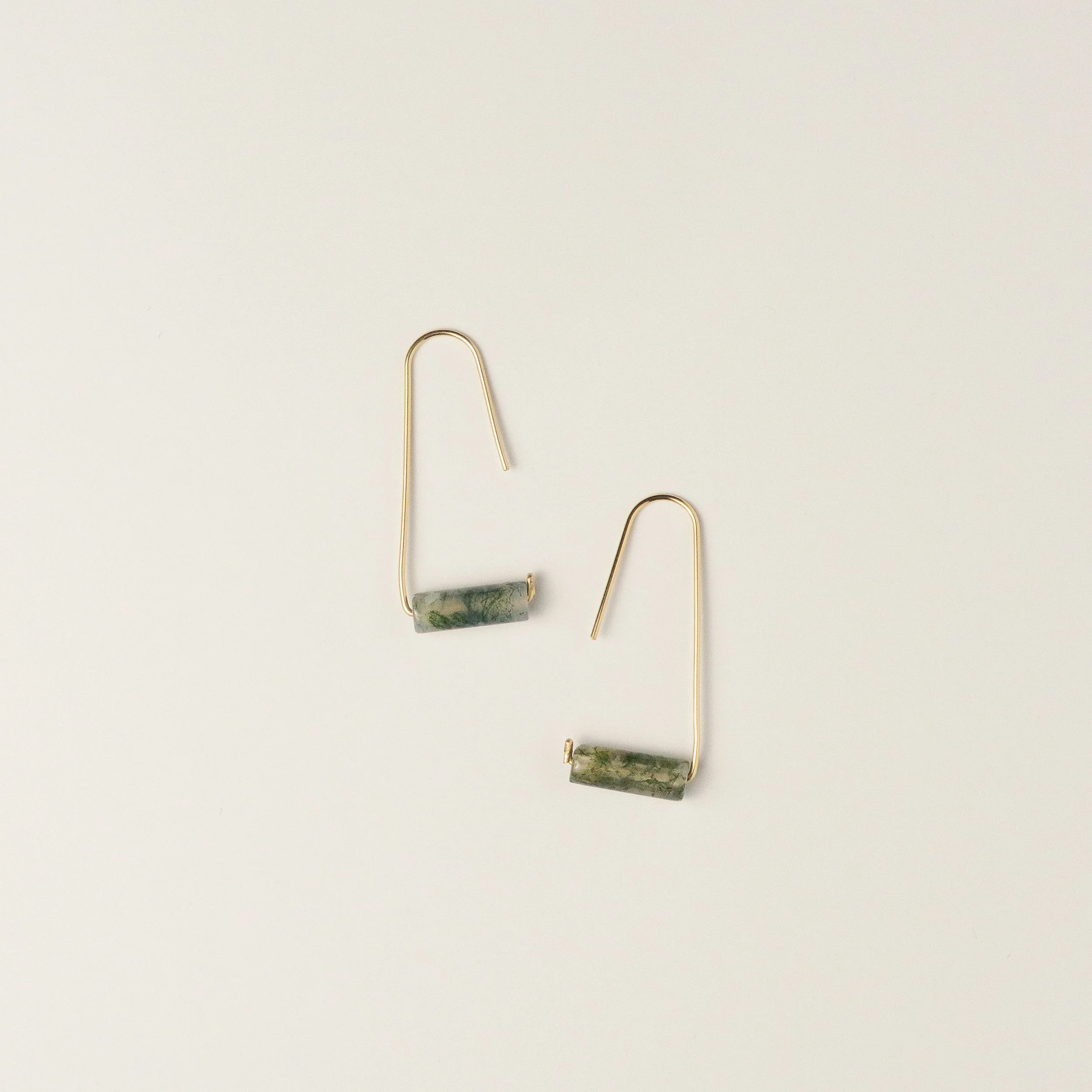
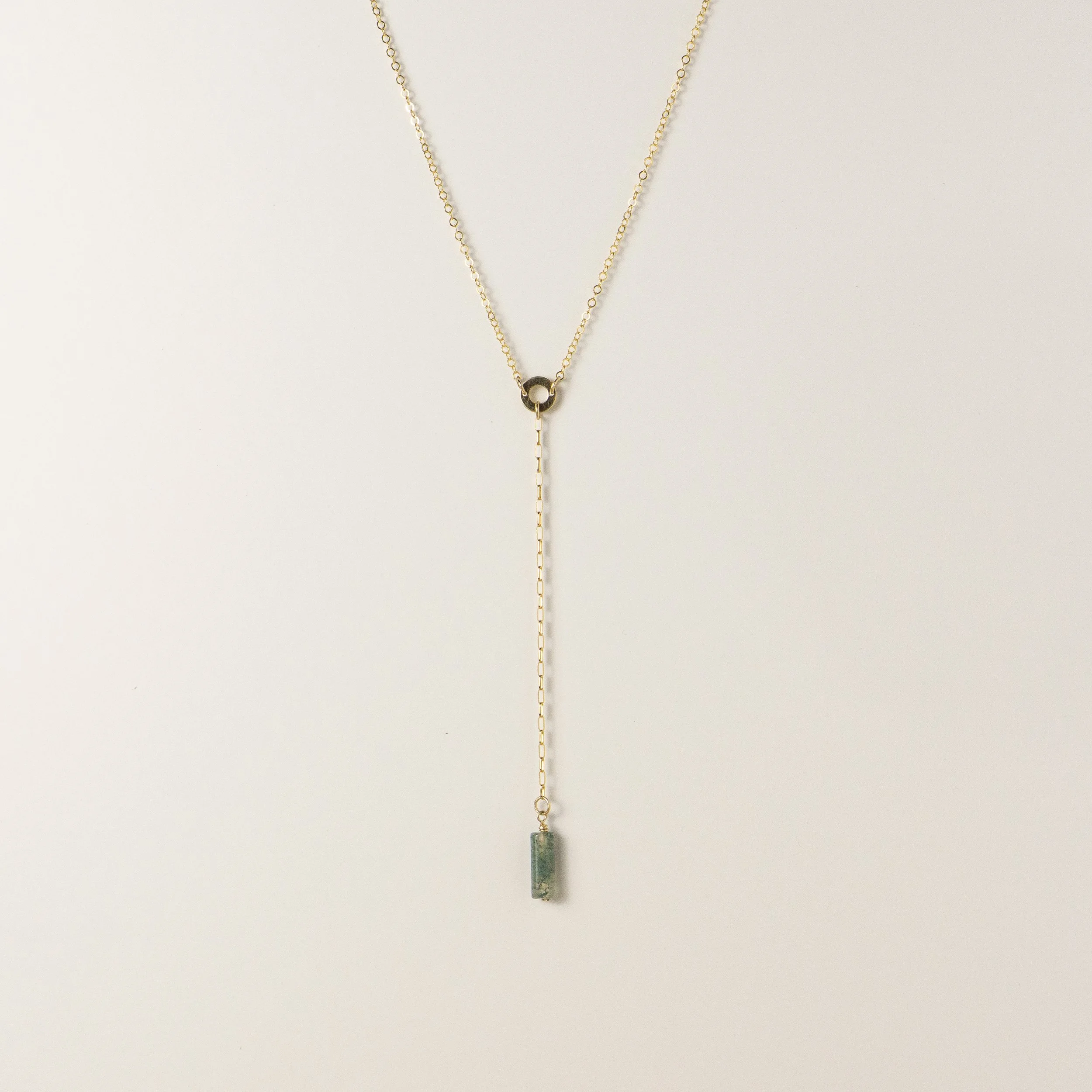
Green Moss Agate
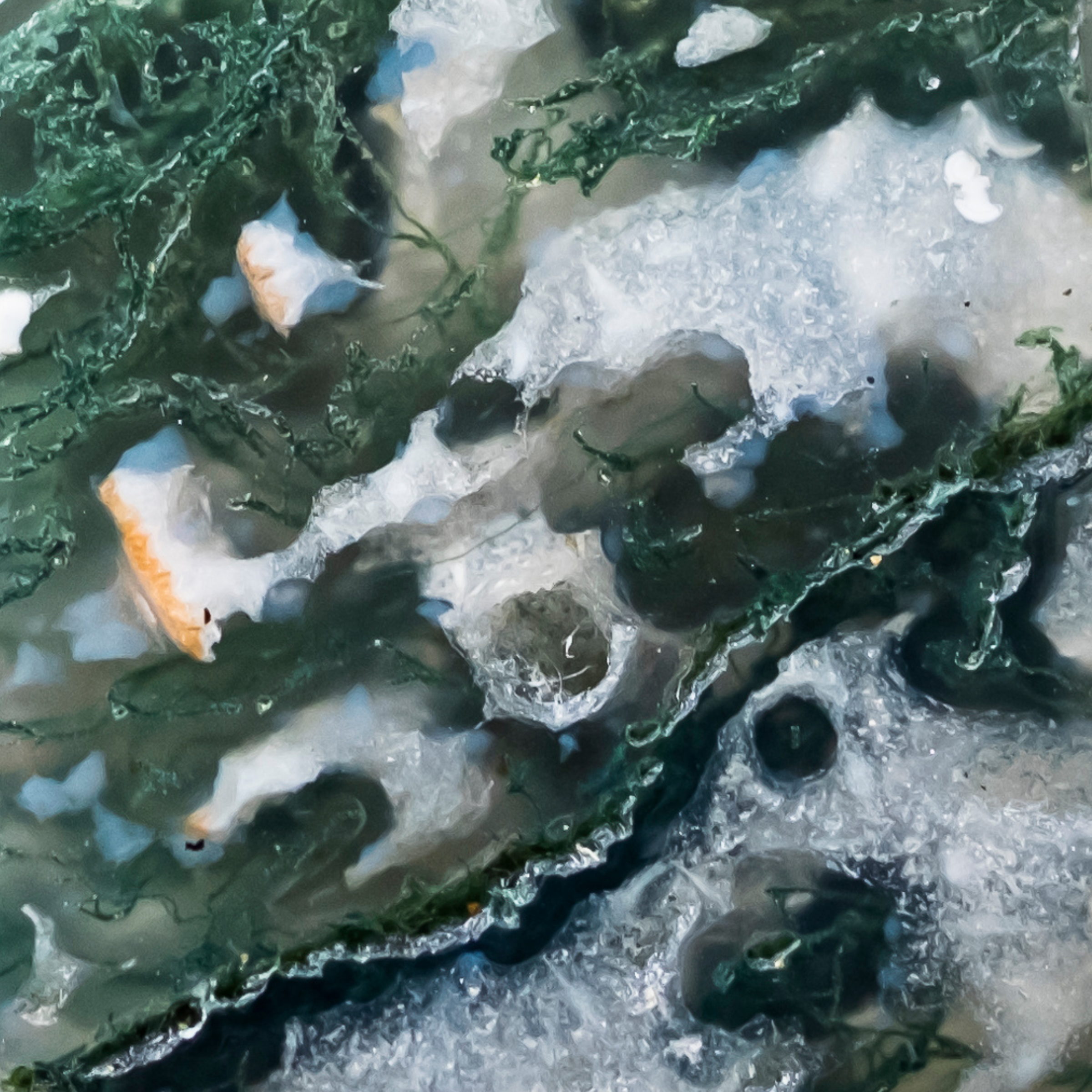
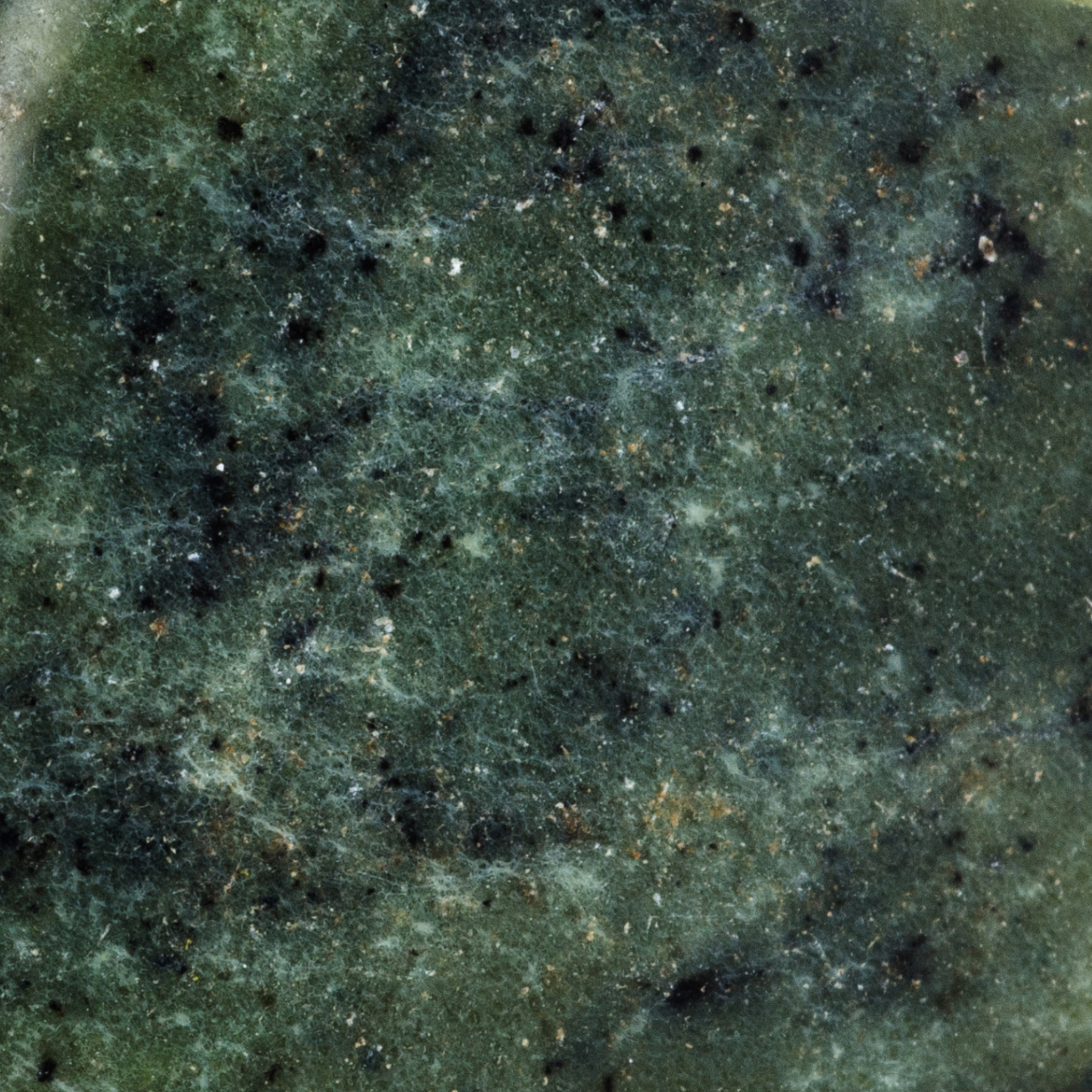
Soft green swirls float inside clear stone, like looking down into a tidepool. Moss agate is a type of chalcedony from the quartz family, and those "moss" patterns are actually mineral inclusions, not plants. Most of it comes from India, with more found in Brazil, Uruguay and the western United States.
It's long been called the gardener's stone. In 18th-century Britain it was seen as a good-luck stone, and it's still associated with growth, patience and new beginnings.
Tree Moss Agate
A creamy white stone with green branches running through it, like a little forest on a winter morning. Tree agate is a close cousin of moss agate: the same mineral, but opaque, with tree-like green patterns instead of soft swirls. Most of it comes from India.
The word for these branching patterns, "dendritic," comes from the Greek word for tree. Tree agate is often associated with calm, steadiness and a connection to nature.
Aquamarine
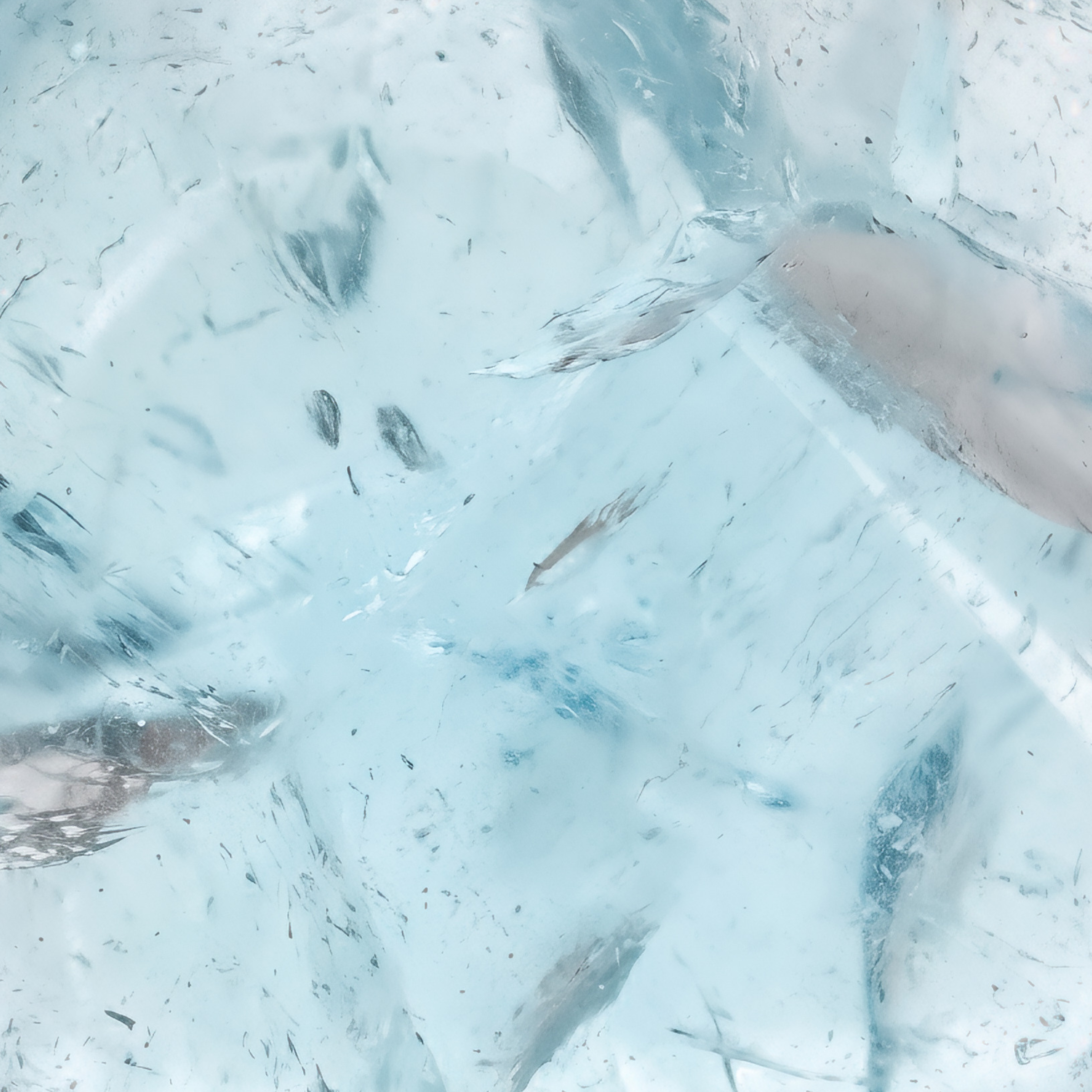
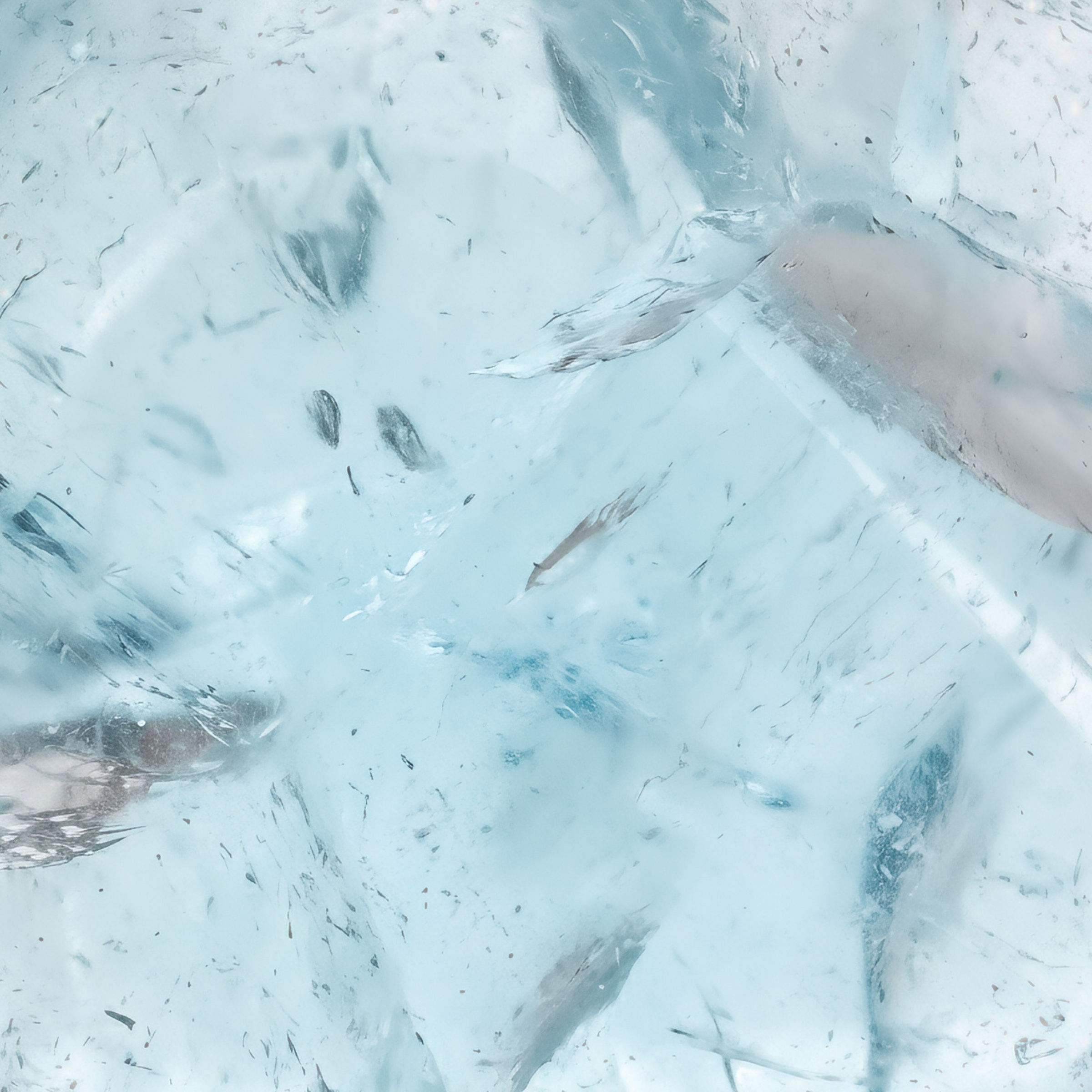
A soft sea-glass blue that looks like the water off the Marin coast on a clear day. Its name comes from the Latin for "sea water," and it's a member of the beryl family, the same mineral as emerald. Much of today's aquamarine comes from Brazil, with more from Africa and Asia.
Ancient Greek and Roman sailors carried aquamarine as a good-luck charm for safe travels at sea. It's also the birthstone for March, and it's long been associated with calm, courage and friendship.
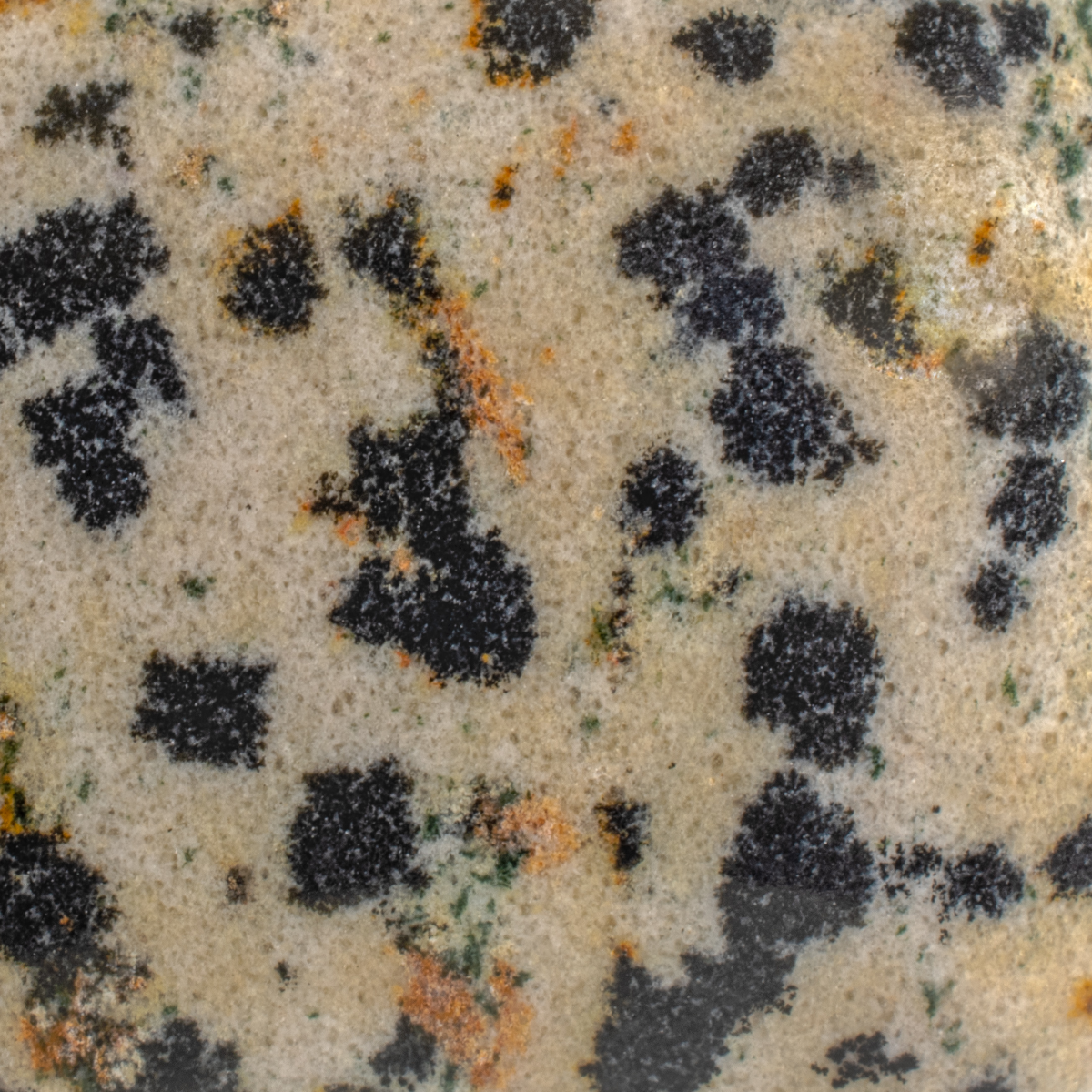
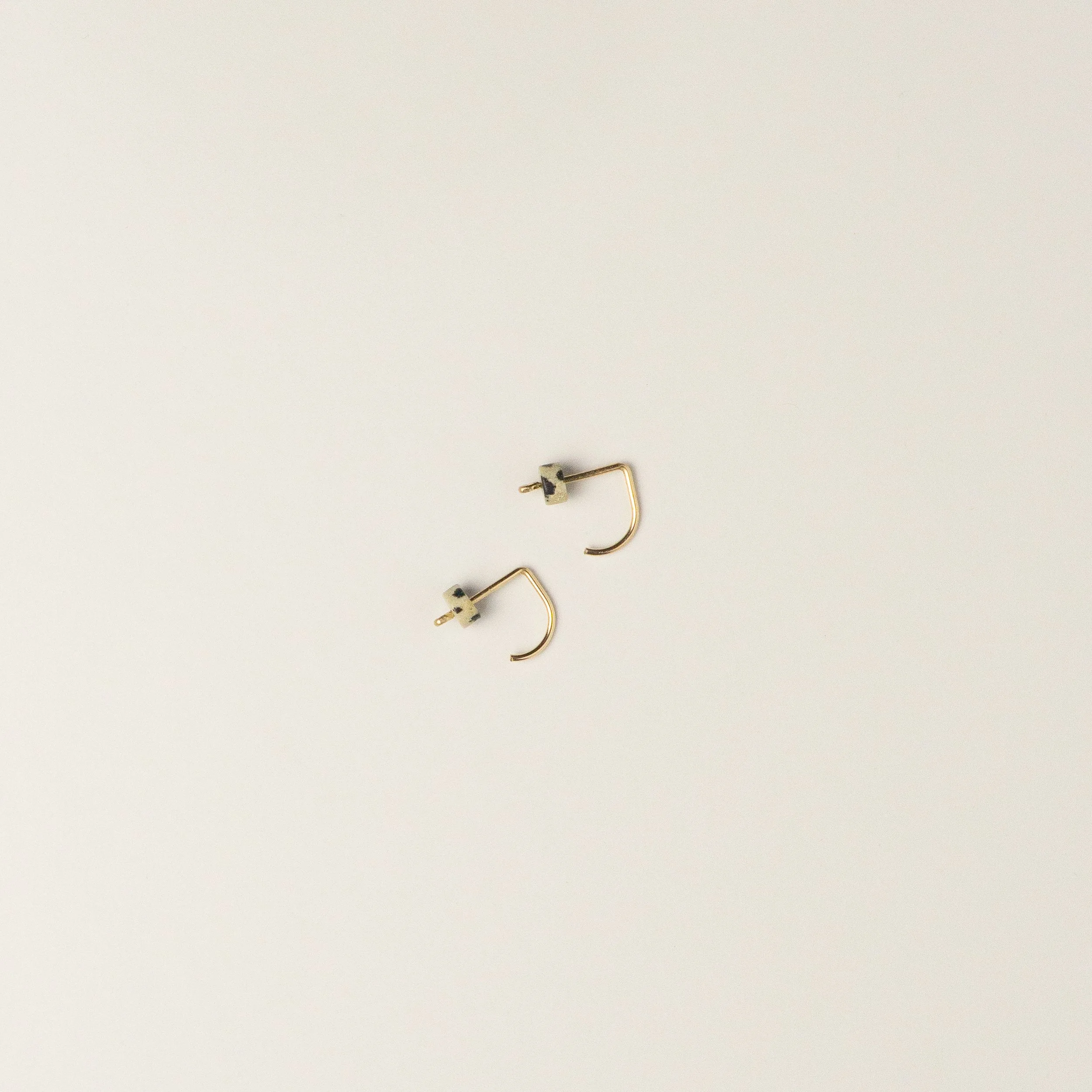
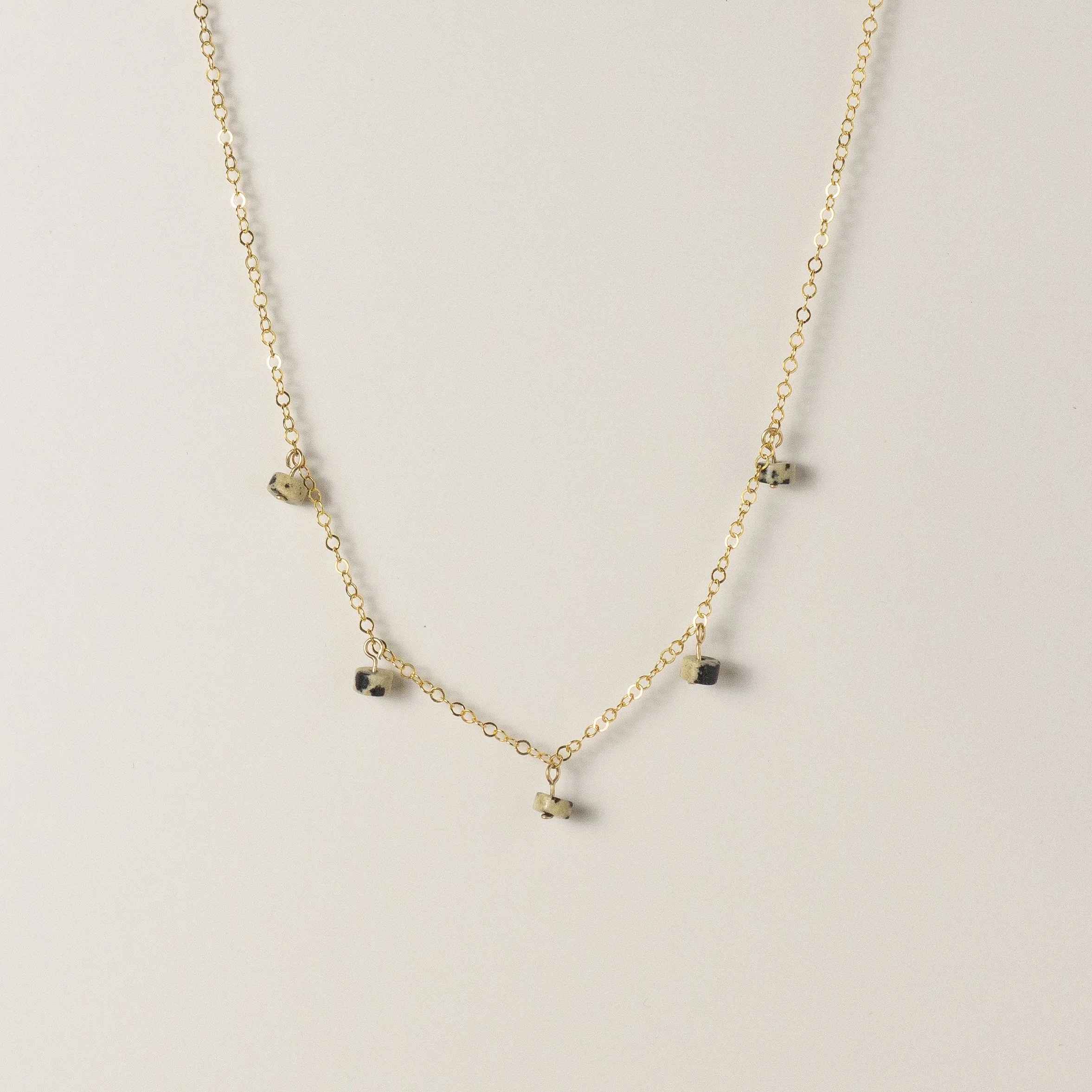
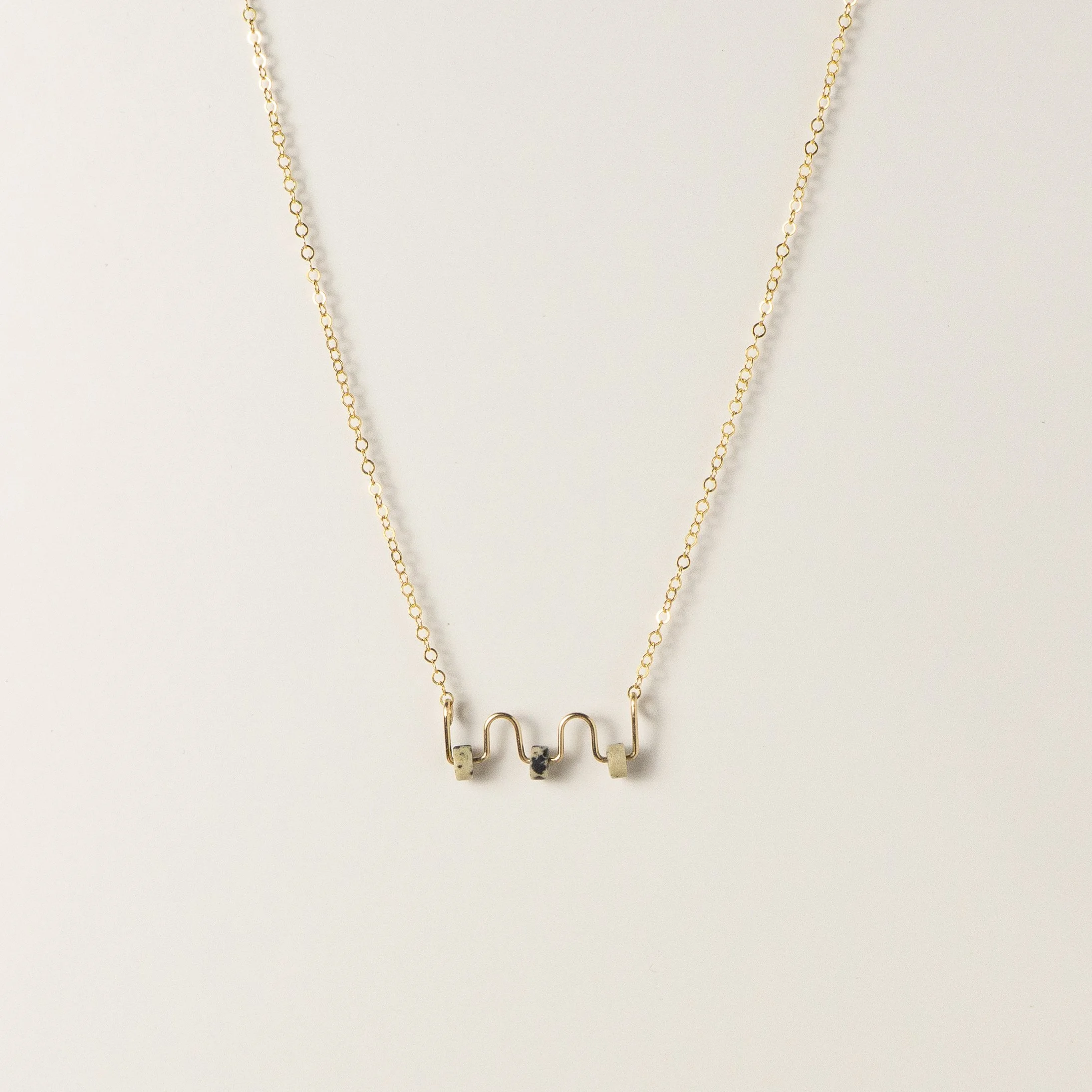
Dalmatian Jasper
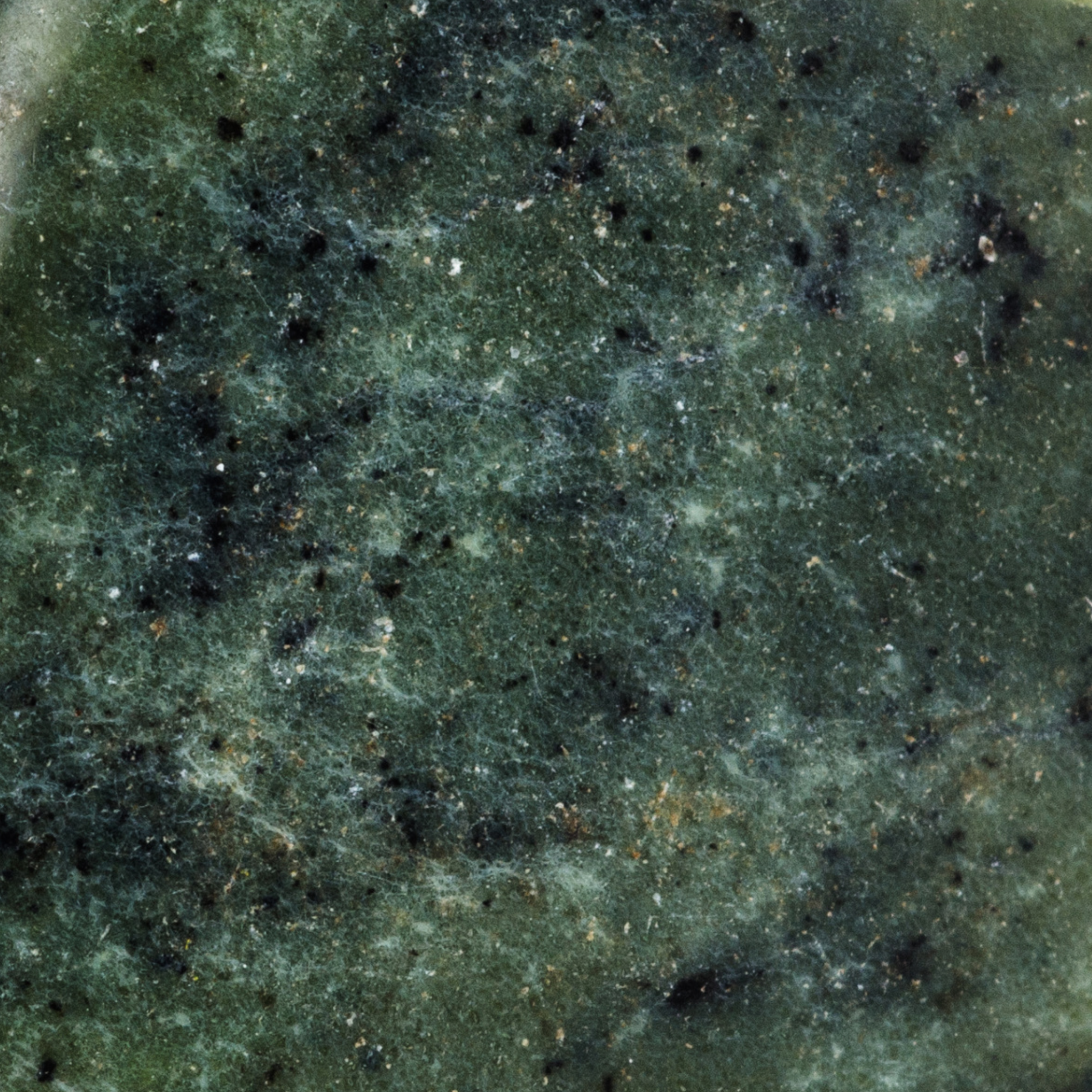
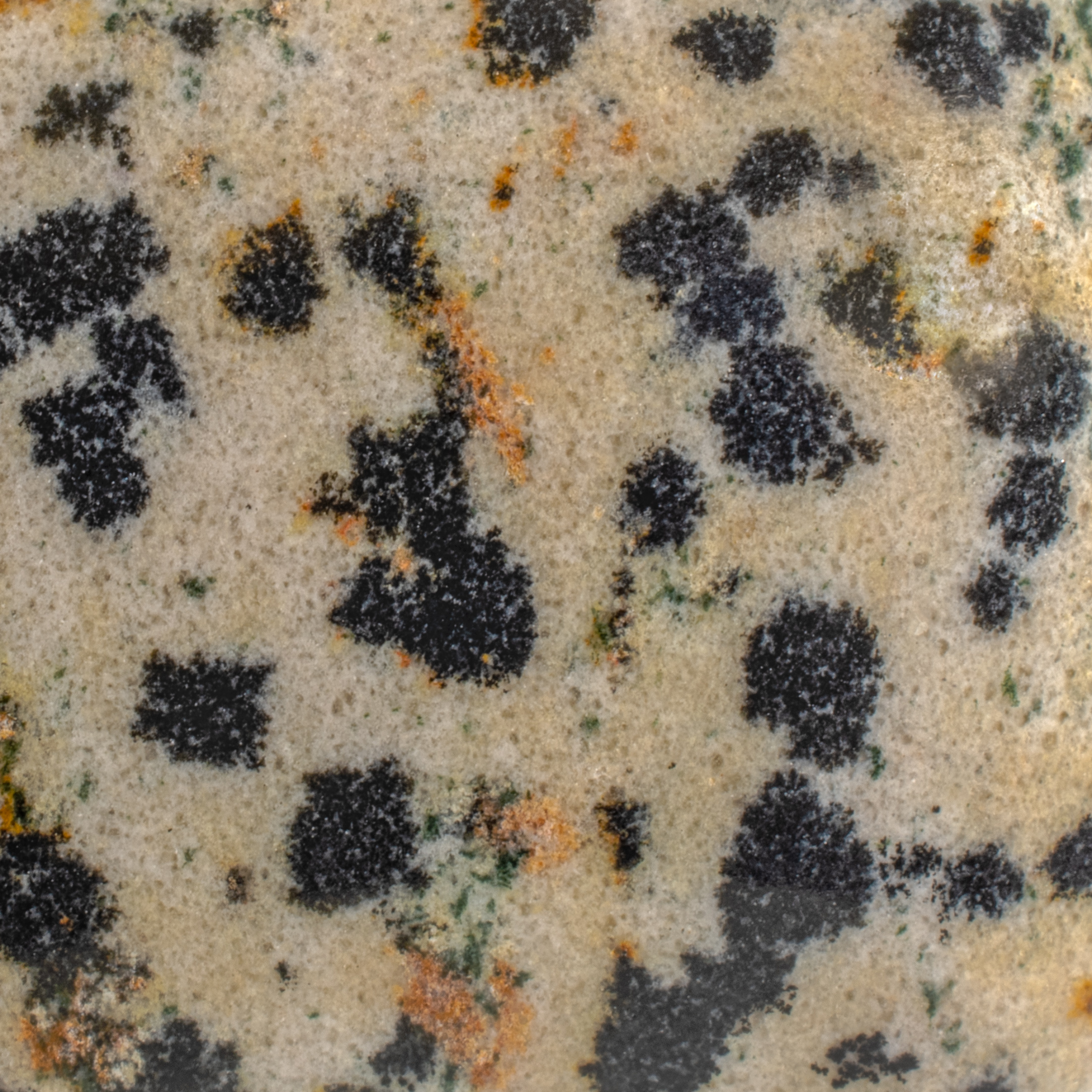
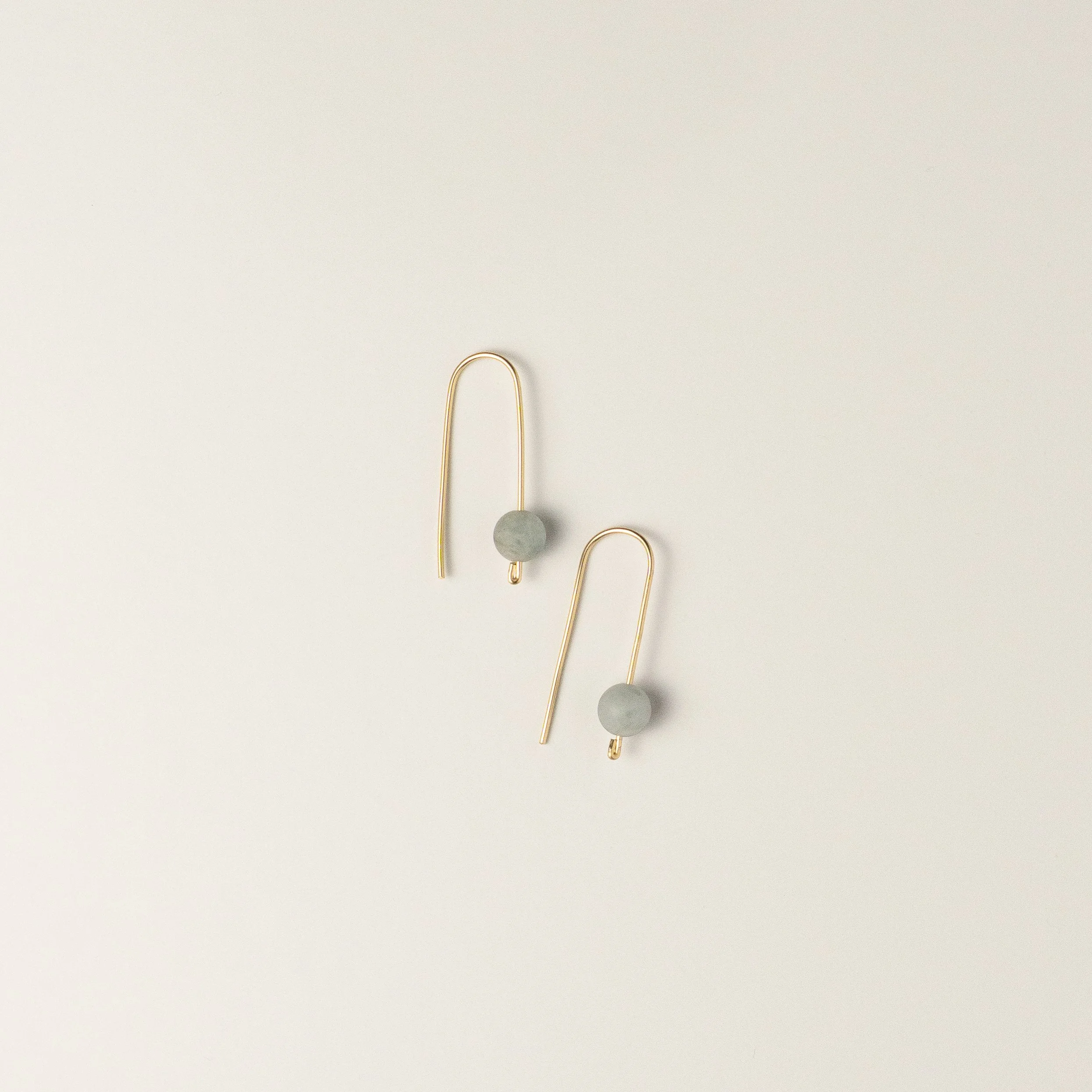
Creamy white stone with playful black spots, named for the dog it looks like. Despite the name, it isn't a true jasper. It's a volcanic rock made mostly of feldspar and quartz, and the spots are tiny dark crystals. As far as anyone knows, it comes from just one area: Chihuahua, Mexico.
Dalmatian jasper is a fairly modern find, so it doesn't have centuries of folklore behind it. It's known as a cheerful, lighthearted stone associated with fun, joy and loyalty.
Fossil Jasper
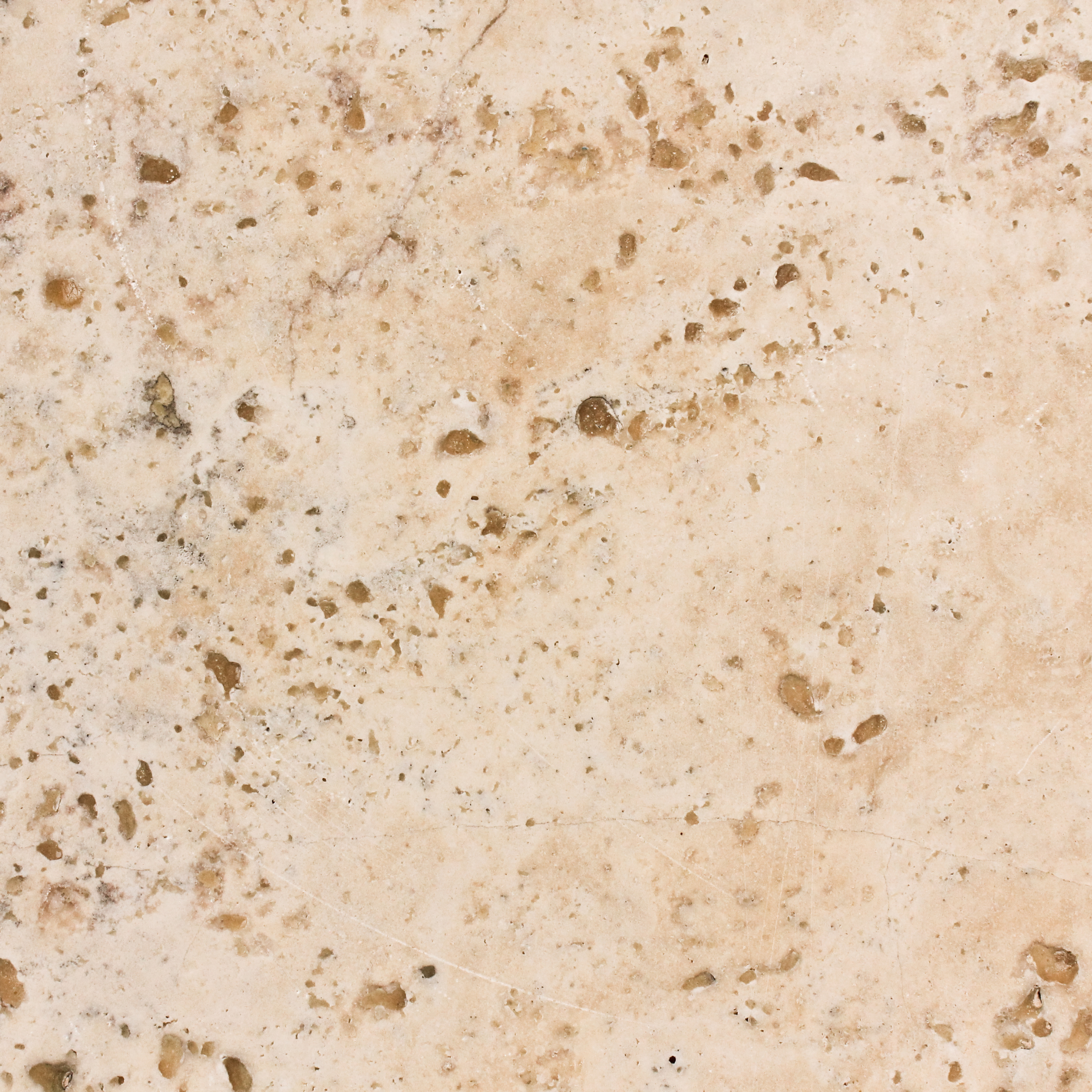
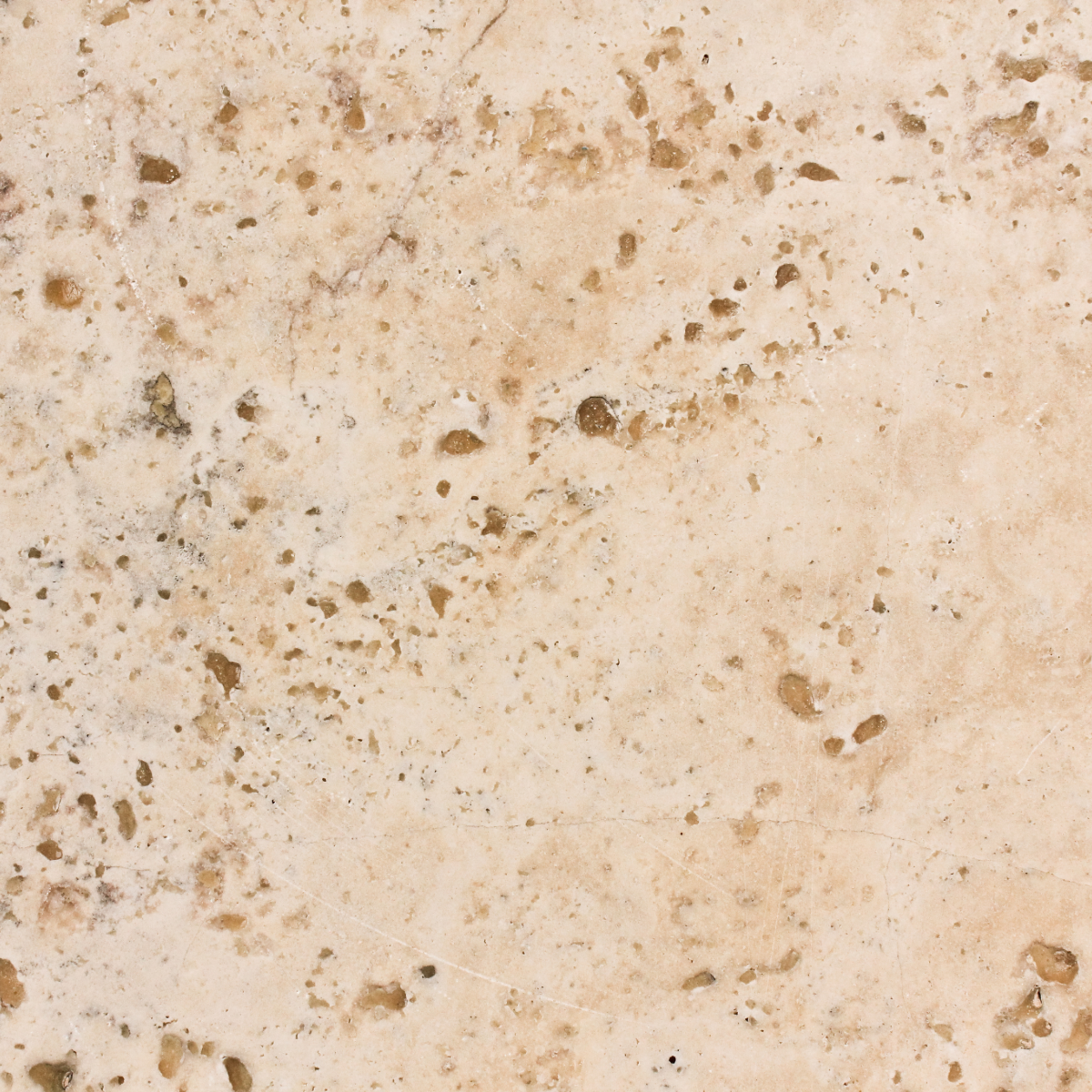
A soft cream stone with delicate, organic patterns that look like something left behind by the sea. Jasper is an opaque stone from the quartz family, and its name traces back to the Greek word for "spotted stone." Its neutral tone goes with just about everything.
Jasper has been used in jewelry and carvings since ancient times and is often called a grounding, steady stone, associated with calm and balance.
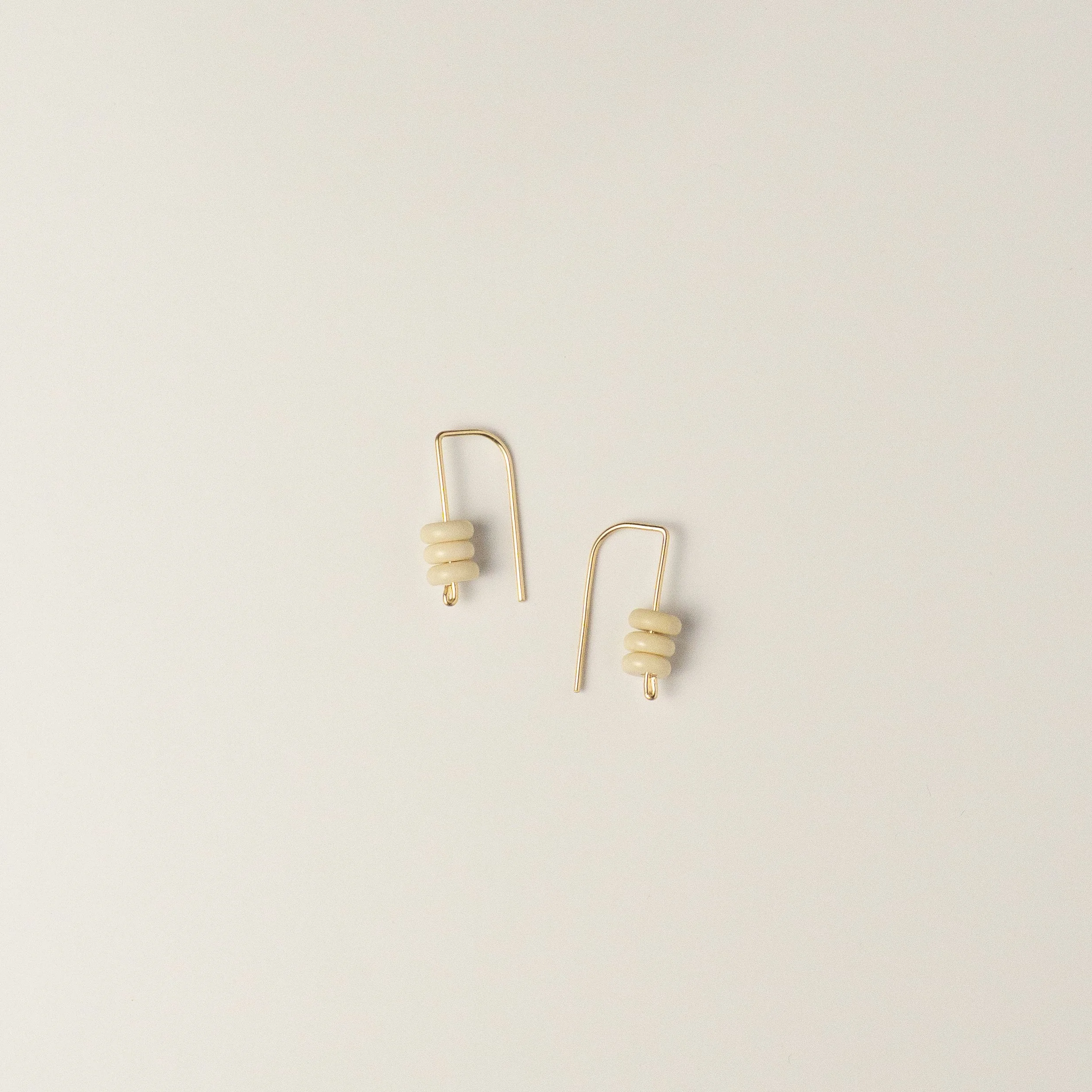
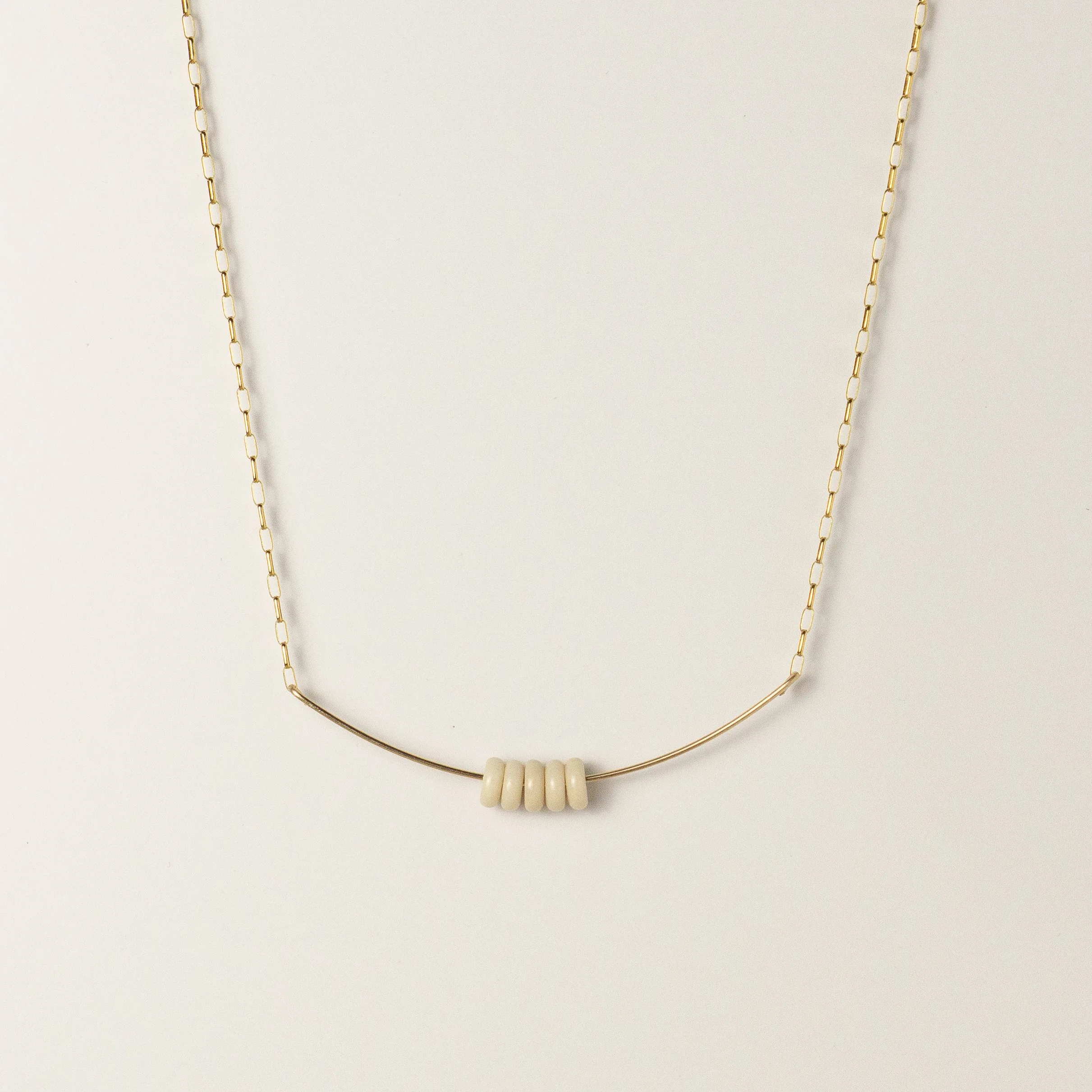
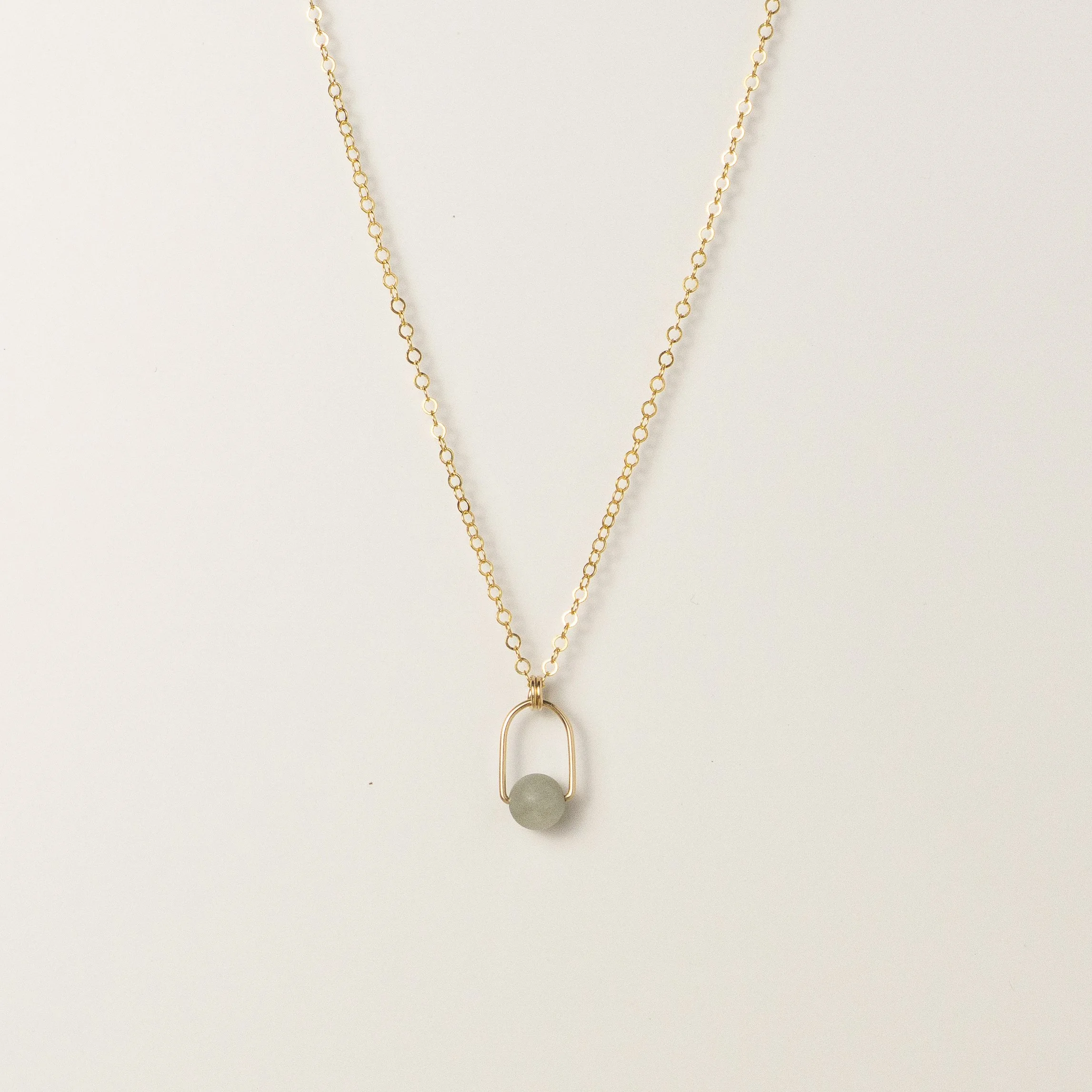
This understated necklace features a hand-formed geometric pendant cradling a single red lace agate bead, hung from a delicate 14k gold filled cable chain. The stone’s matte texture gives it a soft, earthy feel. I love it layered over a taupe crewneck sweater with black jeans for an easy, cozy fall look.
Red lace agate gemstone. Each gemstone is one of a kind, so your piece will be unique and may vary slightly from what’s pictured.
14k gold filled wire, chain, and clasp. 14k gold filled gives you the look and lasting quality of solid gold at a more approachable price, with a thick layer of real gold that won’t wear off like plating.
Adjustable length from 18"-20". Jump rings sit at 18”, 19”, and 20” along the chain so you can clasp at the length that fits you best. Sits at the collarbone at 18” and the center of the chest at 20”.
Pendant measures about 3/8” wide by 1” long. The bead measures 6mm across and 4mm thick.
Handmade. Made by me (👋🏼) in Marin County, California.